


Revolutionizing Healthcare with IoT in Patient Monitoring

Healthcare is evolving at lightning speed, and I am thrilled to share how IoT in patient monitoring is transforming the way we manage health. Imagine a world where your vital signs are tracked continuously, your doctor receives real-time updates, and interventions happen before problems escalate. This is not science fiction - it’s happening now, thanks to the Internet of Things (IoT). Let me take you on a journey through this exciting revolution.
The Power of IoT in Patient Monitoring
IoT technology connects devices and sensors to the internet, enabling seamless data exchange. In healthcare, this means wearable devices, smart sensors, and connected medical equipment can monitor patients remotely and continuously. The benefits? They are enormous.
Real-time health data: Continuous monitoring means no more waiting for scheduled check-ups to detect issues.
Early detection and prevention: Alerts can notify healthcare providers instantly if something is wrong.
Improved patient engagement: Patients can track their own health metrics and take proactive steps.
Reduced hospital visits: Remote monitoring reduces the need for frequent in-person appointments.
For example, a patient with heart disease can wear a smart ECG monitor that sends data directly to their cardiologist. If irregularities appear, the doctor can intervene immediately, potentially saving lives.

How IoT in Patient Monitoring Enhances Healthcare Quality
The integration of IoT devices in healthcare is not just about convenience; it’s about quality and precision. Here’s how IoT elevates patient care:
Personalized Treatment Plans
IoT devices collect detailed health data over time. This data helps doctors tailor treatments specifically to each patient’s needs, improving outcomes.
Data-Driven Decisions
Continuous data streams provide a comprehensive picture of a patient’s health, enabling informed decisions rather than relying on snapshots from occasional visits.
Enhanced Chronic Disease Management
Patients with diabetes, asthma, or hypertension benefit immensely from IoT devices that monitor glucose levels, lung function, or blood pressure in real time.
Medication Adherence
Smart pillboxes and reminders ensure patients take medications on time, reducing complications and hospital readmissions.
Emergency Response
IoT sensors can detect falls or sudden health deteriorations and automatically alert emergency services or caregivers.
The result? A healthcare system that is proactive, precise, and patient-centered.
Exploring Remote Patient Monitoring Using IoT
One of the most exciting applications is remote patient monitoring using IoT. This approach allows patients to stay in the comfort of their homes while their health is continuously tracked by healthcare professionals.
Remote monitoring devices include:
Wearable heart rate and oxygen saturation monitors
Smart blood pressure cuffs
Glucose monitors for diabetics
Motion sensors to detect falls or inactivity
This technology is a game-changer for patients with mobility issues or those living in rural areas with limited access to healthcare facilities. It also reduces the burden on hospitals and clinics, allowing resources to be focused where they are most needed.
Practical Tips for Patients Using IoT Monitoring Devices
If you’re considering IoT devices for your health, here are some practical tips to maximize their benefits:
Choose devices approved by healthcare professionals: Ensure your devices meet medical standards.
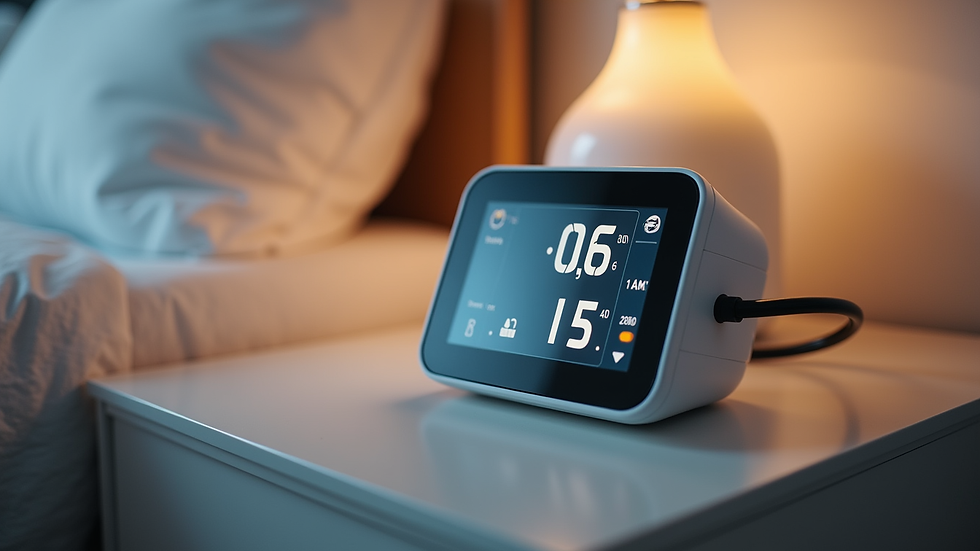
Keep devices charged and connected: Continuous data transmission depends on reliable power and internet.
Understand your data: Learn how to interpret the readings and what actions to take.
Communicate regularly with your healthcare provider: Share your data and discuss any concerns.
Maintain privacy and security: Use devices with strong encryption and follow best practices to protect your health information.
By actively engaging with your IoT health devices, you become a partner in your own care, empowered to make informed decisions.
The Future of Healthcare with IoT Patient Monitoring
Looking ahead, the potential of IoT in healthcare is limitless. Innovations like AI-powered analytics, integration with electronic health records, and advanced sensors will make patient monitoring smarter and more intuitive.
Imagine a future where:
Your smartwatch predicts health issues before symptoms appear.
Hospitals use IoT data to optimize resource allocation and patient flow.
Healthcare becomes more affordable and accessible through technology-driven transparency.
At SMART QR-RFID, the mission is clear: to revolutionize healthcare by integrating advanced QR and RFID technology with IoT solutions. This synergy promises high-quality, transparent, and affordable medical services that put patients first.
The revolution is here. Embrace the power of IoT in patient monitoring and take control of your health like never before.
Thank you for joining me on this exciting exploration. Stay informed, stay connected, and most importantly, stay healthy!



Comments