


IoT Remote Patient Monitoring: Transforming Healthcare with Smart Technology

Imagine a world where your health is monitored continuously, effortlessly, and with precision - all from the comfort of your home. This is not science fiction. This is the power of IoT remote patient monitoring. As someone deeply passionate about healthcare innovation, I am excited to share how the Internet of Things (IoT) is revolutionizing patient care, making it smarter, faster, and more accessible than ever before.
IoT is reshaping healthcare by connecting devices, patients, and providers in a seamless network. This connectivity allows for real-time health data collection, analysis, and response. The result? Better outcomes, reduced hospital visits, and empowered patients who take control of their health journey.
Let’s dive into the incredible world of IoT in remote patient monitoring and explore how this technology is changing lives.
What is IoT Remote Patient Monitoring?
At its core, IoT remote patient monitoring involves using connected devices to track patients’ health data outside traditional clinical settings. These devices collect vital signs such as heart rate, blood pressure, glucose levels, oxygen saturation, and more. The data is then transmitted securely to healthcare providers for continuous monitoring and timely intervention.
This technology bridges the gap between patients and healthcare professionals, enabling proactive care rather than reactive treatment. It’s like having a healthcare team watching over you 24/7, without the need to be physically present.
Key Components of IoT Remote Patient Monitoring
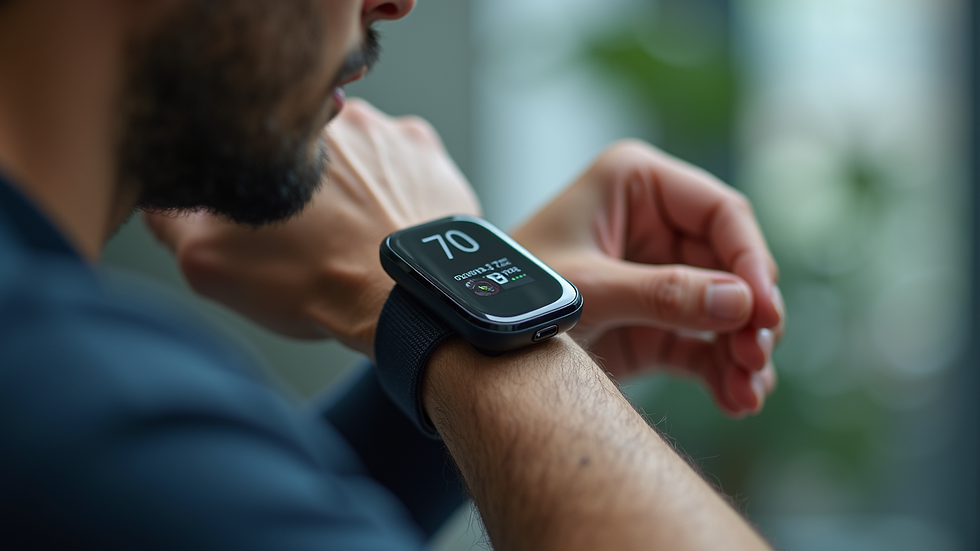
Wearable Devices: Smartwatches, fitness bands, and specialized medical wearables that track vital signs.
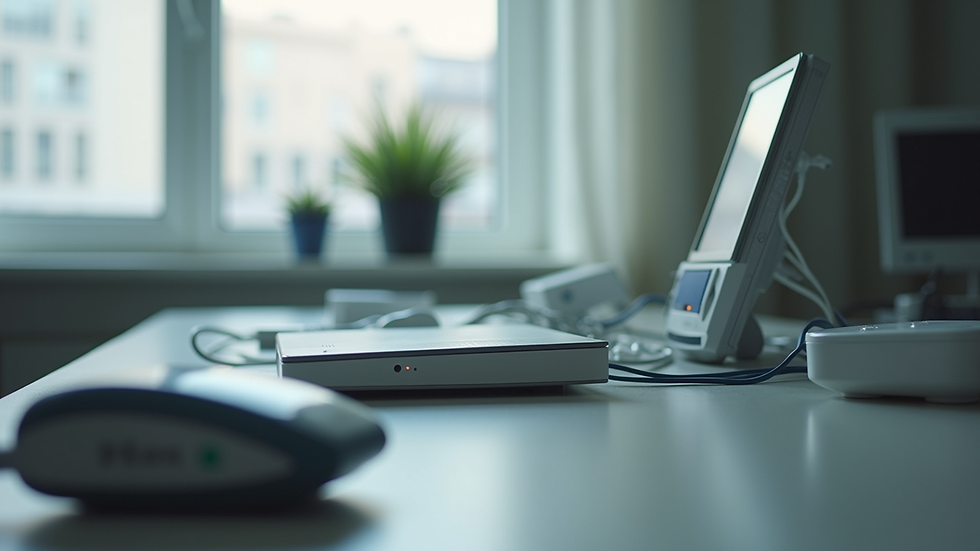
Home Medical Devices: Connected blood pressure monitors, glucometers, pulse oximeters, and scales.
Data Transmission: Secure wireless networks (Wi-Fi, Bluetooth, cellular) that send data to cloud platforms.
Analytics Platforms: AI-powered systems that analyze data trends and alert healthcare providers to anomalies.
Patient Portals: User-friendly apps and dashboards where patients can view their health data and communicate with providers.
This ecosystem creates a continuous feedback loop, empowering patients and clinicians alike.
How IoT Remote Patient Monitoring Enhances Healthcare
The benefits of IoT in remote patient monitoring are profound and multifaceted. Here’s how this technology is transforming healthcare delivery:
1. Continuous, Real-Time Monitoring
Unlike traditional check-ups that provide snapshots of health, IoT devices offer continuous data streams. This means changes in health status are detected immediately, allowing for swift action. For example, a sudden spike in blood pressure can trigger an alert, prompting a healthcare provider to intervene before complications arise.
2. Personalized Care Plans
With detailed data, healthcare providers can tailor treatment plans to individual needs. This personalized approach improves medication adherence, lifestyle adjustments, and overall health outcomes. Patients feel more engaged and motivated when their care is customized.
3. Reduced Hospital Visits and Costs
Remote monitoring reduces the need for frequent hospital visits and readmissions. Patients with chronic conditions like diabetes, heart disease, or COPD can manage their health at home, saving time and money. This also eases the burden on healthcare facilities.
4. Enhanced Patient Engagement
IoT devices empower patients by giving them access to their own health data. This transparency encourages active participation in health management. Patients can track progress, set goals, and communicate concerns directly with their care team.
5. Early Detection and Prevention
By analyzing trends and patterns, IoT systems can predict potential health issues before they become critical. Early detection means preventive measures can be taken, improving quality of life and reducing emergency situations.
Practical Examples of IoT in Remote Patient Monitoring
Let me share some real-world examples that highlight the power of IoT in healthcare:
Chronic Disease Management
Patients with diabetes can use connected glucometers that automatically log blood sugar levels. The data is sent to their healthcare provider, who can adjust insulin doses remotely. This reduces the risk of hypoglycemia and hyperglycemia, improving patient safety.
Cardiac Care
Wearable ECG monitors track heart rhythms continuously. If an irregular heartbeat or arrhythmia is detected, alerts are sent immediately. This timely information can prevent strokes or heart attacks by enabling early treatment.
Post-Surgical Recovery
After surgery, patients can be monitored remotely for signs of infection, pain levels, or mobility issues. This reduces hospital stays and allows patients to recover comfortably at home while staying connected to their care team.
Elderly Care
IoT devices can monitor activity levels, falls, and medication adherence in elderly patients. Family members and caregivers receive notifications if something is amiss, ensuring timely support and peace of mind.
Mental Health Monitoring
Smart devices can track sleep patterns, physical activity, and even voice tone to provide insights into mental health status. This data helps clinicians tailor therapy and interventions more effectively.
How to Get Started with IoT Remote Patient Monitoring
If you’re considering integrating IoT remote patient monitoring into your healthcare routine, here are some practical steps to take:
1. Identify Your Health Needs
Start by understanding which health parameters are most important for your condition. Consult with your healthcare provider to determine the best devices and monitoring plan.
2. Choose Reliable Devices
Select devices that are FDA-approved or clinically validated. Look for user-friendly interfaces, long battery life, and secure data transmission features.
3. Ensure Data Privacy and Security
Make sure the devices and platforms comply with healthcare data regulations like HIPAA. Your health data should be encrypted and stored securely.
4. Set Up Connectivity
Ensure you have a stable internet connection at home. Many devices use Wi-Fi or cellular networks to transmit data.
5. Engage with Your Healthcare Team
Regularly review your data with your provider. Use patient portals or apps to communicate questions and receive feedback.
6. Stay Consistent
Wear or use your devices as recommended. Consistency is key to accurate monitoring and effective care.
By following these steps, you can harness the full potential of IoT to improve your health outcomes.
The Future of Healthcare with IoT Remote Patient Monitoring
The future is bright and full of promise. As IoT technology advances, remote patient monitoring will become even more sophisticated and accessible. Here’s what I see on the horizon:
Integration with AI and Machine Learning: Smarter algorithms will provide predictive analytics, personalized insights, and automated alerts.
Expanded Device Ecosystem: More diverse and specialized devices will cover a wider range of health conditions.
Improved Interoperability: Seamless data sharing between devices, providers, and electronic health records will enhance care coordination.
Greater Patient Empowerment: Enhanced apps and interfaces will make health management intuitive and engaging.
Cost-Effective Solutions: Advances in technology will drive down costs, making remote monitoring affordable for more people.
This evolution aligns perfectly with the mission of SMART QR-RFID to revolutionize healthcare by integrating advanced technology to deliver transparent, high-quality, and affordable medical services.
If you want to explore more about how technology is reshaping healthcare, check out this resource on remote patient monitoring using iot.
Embrace the Power of IoT for Your Health Today
The integration of IoT in remote patient monitoring is not just a trend - it’s a healthcare revolution. It offers a future where you are at the center of your care, supported by smart technology that works tirelessly to keep you healthy.
By embracing IoT, you gain:
Peace of mind knowing your health is monitored continuously.
Convenience of managing your health from home.
Confidence in personalized, data-driven care.
Connection with your healthcare team anytime, anywhere.
Take the first step today. Explore IoT devices, talk to your healthcare provider, and experience the transformative power of technology in healthcare. Your health deserves nothing less than the best.
Together, we can build a healthier, smarter future.
Thank you for joining me on this journey into the exciting world of IoT remote patient monitoring. Stay informed, stay empowered, and stay healthy!



Comments