


Features of Smart Hospitals: What Makes a Hospital Smart?

In today’s fast-paced world, healthcare is evolving rapidly. Hospitals are no longer just places where you receive treatment—they are becoming hubs of innovation and technology. But what exactly makes a hospital smart? How do these advanced facilities improve patient care, streamline operations, and create a safer environment? Let me take you on a journey through the exciting features of smart hospitals and show you how technology is transforming healthcare for the better.
Features of Smart Hospitals: The Heart of Innovation
Smart hospitals are designed to provide efficient, personalized, and high-quality care by integrating cutting-edge technology into every aspect of their operations. These features are not just futuristic ideas—they are practical solutions that improve patient outcomes and hospital efficiency today.
Here are some key features that define a smart hospital:
Advanced Patient Monitoring Systems: Real-time monitoring using IoT devices tracks vital signs continuously, alerting staff instantly if something is wrong.
Electronic Health Records (EHRs): Digital records that are easily accessible to authorized personnel, ensuring seamless communication and reducing errors.
Automated Medication Dispensing: Robots and smart cabinets ensure patients receive the right medication at the right time, minimizing human error.
Smart Infrastructure: Automated lighting, temperature control, and energy management systems create a comfortable and sustainable environment.
AI-Powered Diagnostics: Artificial intelligence helps analyze medical images and data faster and more accurately than ever before.
Telemedicine and Remote Care: Patients can consult doctors remotely, reducing the need for hospital visits and expanding access to care.
Robotics and Automation: From surgical robots to automated cleaning systems, robotics enhance precision and hygiene.
Integrated Communication Systems: Staff can communicate instantly through secure messaging apps and wearable devices, improving coordination.
These features work together to create a hospital environment that is responsive, efficient, and patient-centered.

How Smart Hospitals Enhance Patient Experience
One of the most exciting aspects of smart hospitals is how they transform the patient experience. Imagine walking into a hospital where your check-in is seamless, your medical history is instantly available to your care team, and your treatment is tailored to your specific needs.
Here’s how smart hospitals make this possible:
Personalized Care Plans: Using data analytics, hospitals can create customized treatment plans based on your unique health profile.
Faster Diagnosis and Treatment: AI tools analyze test results quickly, helping doctors make informed decisions without delay.
Reduced Waiting Times: Automated scheduling and patient flow management systems minimize wait times and overcrowding.
Enhanced Safety: Smart sensors monitor hygiene and environmental conditions, reducing the risk of infections.
Transparent Communication: Patients receive real-time updates about their care, appointments, and medication schedules through mobile apps.
Accessibility: Telehealth services allow patients to consult specialists from the comfort of their homes.
By focusing on these areas, smart hospitals ensure that patients feel valued, informed, and cared for throughout their healthcare journey.
What is an Example of Smart Healthcare?
Smart healthcare is not just a concept—it’s happening right now in many hospitals worldwide. One standout example is the use of RFID (Radio Frequency Identification) and QR code technology to track medical equipment, medications, and even patient movements.
For instance, a hospital might use RFID tags on surgical instruments to ensure none are left inside a patient after surgery. Similarly, QR codes on patient wristbands can provide instant access to their medical records, allergies, and treatment plans for any healthcare provider.
Another example is the integration of AI-powered chatbots that assist patients in scheduling appointments, answering common health questions, and providing medication reminders. These tools reduce the workload on staff and improve patient engagement.
These examples highlight how smart healthcare technologies are making hospitals safer, more efficient, and more patient-friendly.

The Role of Data and Security in Smart Hospitals
Data is the backbone of any smart hospital. Collecting, analyzing, and protecting patient information is crucial to delivering high-quality care. But with great data comes great responsibility.
Here’s how smart hospitals handle data and security:
Data Integration: Combining data from various sources—EHRs, wearable devices, lab results—provides a comprehensive view of patient health.
Advanced Analytics: Hospitals use machine learning to predict patient risks, optimize resource allocation, and improve treatment outcomes.
Cybersecurity Measures: Protecting sensitive information with encryption, multi-factor authentication, and continuous monitoring is a top priority.
Compliance with Regulations: Smart hospitals adhere to healthcare laws and standards to ensure patient privacy and data security.
Patient Consent and Transparency: Patients are informed about how their data is used and have control over their information.
By prioritizing data security, smart hospitals build trust and confidence with patients while leveraging technology to enhance care.
How Smart Hospitals Improve Operational Efficiency
Behind the scenes, smart hospitals are powerhouses of efficiency. They use technology to streamline workflows, reduce costs, and improve staff productivity.
Here are some ways smart hospitals achieve this:
Automated Inventory Management: Sensors track supplies and medications, triggering automatic reordering to prevent shortages.
Smart Scheduling Systems: AI optimizes staff shifts and patient appointments to maximize resource use.
Predictive Maintenance: IoT devices monitor equipment health, scheduling maintenance before breakdowns occur.
Waste Reduction: Smart energy systems reduce electricity and water consumption, supporting sustainability goals.
Real-Time Location Systems (RTLS): Track equipment, staff, and patients to improve coordination and reduce delays.
These operational improvements mean hospitals can focus more on patient care and less on administrative hassles.
Embracing the Future: What You Can Expect from Smart Hospitals
The future of healthcare is bright, and smart hospitals are leading the way. As technology continues to advance, we can expect even more innovations that will make healthcare more accessible, affordable, and effective.
Some exciting trends on the horizon include:
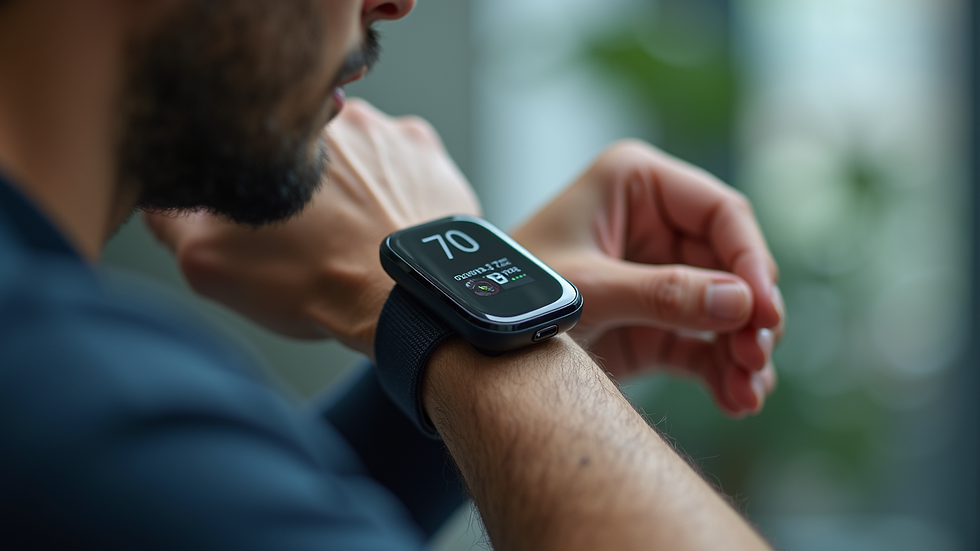
Wearable Health Devices: Continuous monitoring outside the hospital for proactive care.
Virtual Reality (VR) and Augmented Reality (AR): Enhancing medical training and patient rehabilitation.
Blockchain for Health Records: Secure, decentralized data sharing across providers.
AI-Driven Personalized Medicine: Tailoring treatments based on genetic and lifestyle data.
Robotic Process Automation (RPA): Automating routine administrative tasks to free up healthcare professionals.
By embracing these technologies, smart hospitals will continue to revolutionize patient care and set new standards for excellence.
If you want to dive deeper into the concept, check out this resource on what is a smart hospital to understand the full scope of this transformation.
Smart hospitals are not just a vision—they are a reality that is reshaping healthcare. With their advanced features, patient-centered approach, and commitment to innovation, they offer a glimpse into a healthier, smarter future. Whether you are seeking comprehensive care or simply curious about the future of medicine, smart hospitals are the place to watch.


Comments